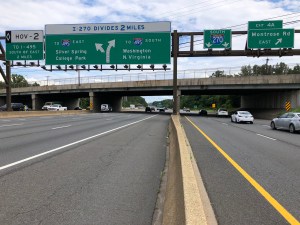
It is time for Maryland to shed obsolete highway-focused traffic solutions, and pursue alternative strategies that give residents more, and cleaner, choices for how to get around.
The summit laid out a vision for a transportation planning process that assess errors of the past and the needs of the present, and envisions the future in a spirit of trust, celebration and healing.
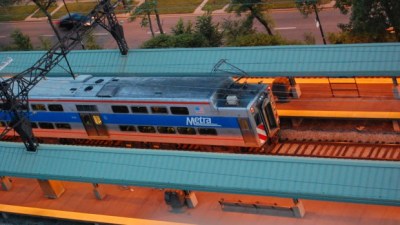
A "regional rail" scheme, with more frequent service during non-rush hours, would make the network more useful non-white collar workers, as well as non-work commutes.
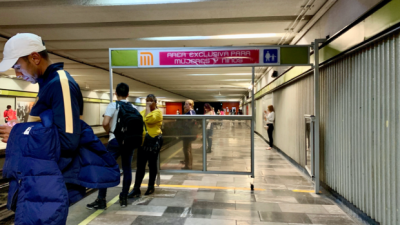
Women-only transportation helps to dismantle one of the barriers that women face daily, so it should be seriously considered in the Chicago and other U.S. cities.
Cities might soon get the kind of federal money they need to tear down the downtown highways that federal dollars paid them to build — and to reinvest in communities of color that those highways destroyed.