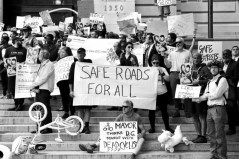
Citing statistics that show that jaywalking laws do not make walking safer, Assemblymember Phil Ting introduced a new bill, A.B. 2147, to end the practice of stopping pedestrians that pose no danger to themselves or others when they cross a street.
Adopting the lowest threshold for drunk driving in the nation helped Utah cut alcohol-involved crashes nearly 9 percent in a single year, a new study finds — but better transit might deserve a little credit, too.
Ethanol isn't a clean fuel after all—it's actually worse for the climate than regular gas. Plus, Americans drive more than people in every other country.
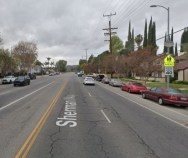
LADOT General Manager Reynolds stated that though "this is a great day" speed limit reform advocacy is not done, because "the 85th percentile rule needs to go away entirely."
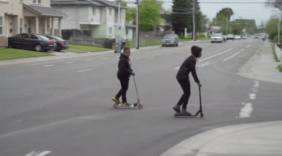
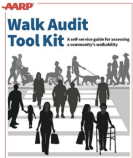
By simply walking around, observing, and noting features that allow people to walk safely, anyone can advocate for better conditions for everyone in their neighborhood.
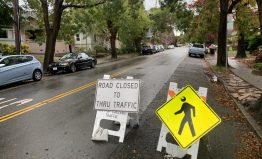
The city that pioneered Slow Streets at the start of the pandemic is now cancelling the program. We talk to an activist about future plans to preserve some streets and bring back a more robust version of the program in the future.
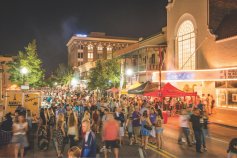
How a town addresses transportation options for people of varying ages, abilities and means is one of the most important indicators of its resiliency. So enter this contest from Strong Towns.
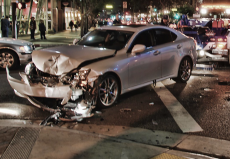
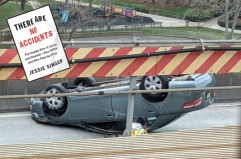
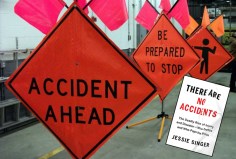
This excerpt from the new book, "There Are No Accidents: The Deadly Rise of Injury and Disaster — Who Profits and Who Pays the Price" will make you rethink crashes, capitalism and culpability.
In our new Streetsblog USA podcast, we talk to journalist and sustainable transportation advocate Jessie Singer about her new book, "There Are No Accidents."