Metropolitan areas around the world struggle with the same problem: More people means more traffic. But what if a significant portion of people living in cities relied on cycling or other modes of active transport?
The new report compared the changes in crash numbers near speed cameras and citywide between 2012-13 and 2018-2019 and confirmed that collision numbers have stayed relatively low near the cams.
This week on the podcast, we’re back at last fall’s virtual Railvolution conference. Former BART GM Grace Crunican discusses the role of board members in transit agencies with former MBTA board member Monica Tibbits-Nutt and former Houston Metro board member Christof Spieler.
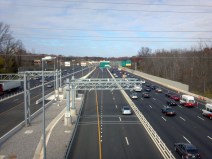
Editor’s note: A version of this article originally appeared on Greater Greater Washington and is republished with permission. Congestion pricing is a strategy that charges drivers more for using road space during peak demand times. It’s an idea with many potential benefits, from reducing traffic to improving the environment. But congestion pricing also draws criticism around […]
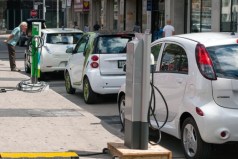
Electrifying cars is the right thing to do, but excessive number of cars, oversized vehicles, and use of the curb for private auto storage remain crucial deficiencies of the city government’s automotive infrastructure in New York.
The bipartisan infrastructure law's funding for bikes, walking and transit will make Americans healthier and improve access to health care. Plus more headlines.