The violence of car culture extends far beyond the obvious outrages of car crashes, pollution, destroyed communities and structural racism, a fascinating new paper argues.
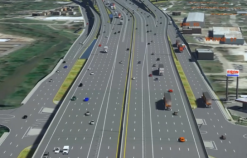
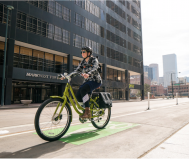
The U.S.'s insatiable appetite for freeways has cost more than 1 million people their homes. Plus, universal basic mobility and cyclists riding strapped.
Voters across the country continued to recognize the importance of keeping public buses and trains moving — and financed — even as most progressive and pro-transit candidates didn’t fare as well at the ballot box this November.
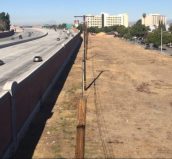
In five states — California, Florida, Mississippi, North Carolina, and Texas — the paper found that large highway building projects demolished homes predominantly in Black and Latino neighborhoods.
City residents must massively increase the percentage of journeys they take on public transportation and using active modes within 10 years if the world is going to meet its climate targets, a new report argues — but federal governments aren't stepping up to make it happen.
This week we’re joined by Miami of Ohio Geography Professor David Prytherch. Prytherch chats with us about his recent journal article in Urban Geography: "Reimagining the physical/social infrastructure of the American street." We talk about businesses' newfound interest in the street, equity and ethical discussions about rights to the street, and the new pandemic paradigm of "open streets."
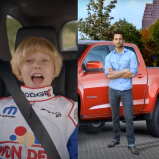
After thousands of votes and enough eerily empty downtowns to last a life time, Streetsblog readers have narrowed it down to just two of the most toxic car ads in our national history. Vote now for which deserves the title of the most toxic of all.