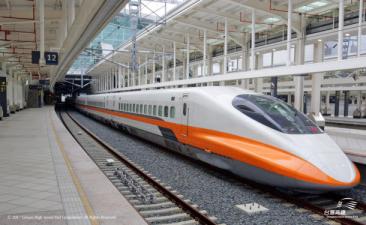
In 2009, the U.S. spent $28 billion on roads and bridges and just $8 billion on high-speed rail — a drop in the bucket — as part of the Obama stimulus package. Sure, infrastructure projects create jobs, but will politicians learn their lesson this time and stop building so many highways? (New York Times)
U.S. highways were often intentionally built through communities of color (NPR). Related: U.S. PIRG remembers highway boondoggles of the past, like the Massachusetts Turnpike, which plowed through Boston neighborhoods in the 1960s.
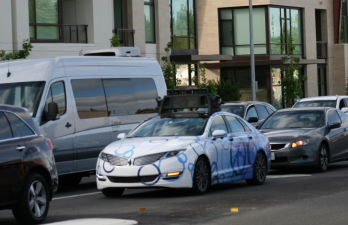
Building a self-driving car has turned out to be harder than tech startups expected, so they’re teaming up with deep-pocketed automakers like Ford and Hyundai (Wired). Meanwhile, Lyft is resuming test-driving its autonomous cars in California after a three-month pandemic pause (Fortune).
A new platform is collecting ideas from cities and transportation groups on how to improve mobility during the pandemic. (Eltis)
Parking guru Donald Shoup writes in City Lab that congestion pricing could help Los Angeles avoid the coming carpocalypse once people start working again and get back on the road. A pilot program is set for 2021.
Seattle Mayor Jenny Durkan is asking voters to approve a sales-tax fund of up to $30 million to help the city’s transit system recover from the pandemic (KOMO). Meanwhile, King County might paper over some of transit’s losses by canceling workers’ raises (Seattle Times).
E-bikes are back in Washington, D.C. after Capital Bikeshare pulled them last year over concerns about braking. (WTOP)
A new study by Uber and several metro Cincinnati governments lays out a path to improve public transit. (Medium)
San Diego (Pacific) and Tulsa (KTUL) are the latest cities to let restaurants set up tables and chairs on sidewalks and in parking lots.
Road diets are planned for six Milwaukee streets. (Urban Milwaukee)